
Original price was: $107.99.$75.59Current price is: $75.59.
- Multiple payment methods, 100% payment security
- Experience the Best Quality
- Your satisfaction is 100% guaranteed.
- Free Shipping, Quality Goods

Characteristics of the Bartlett Pear Tree
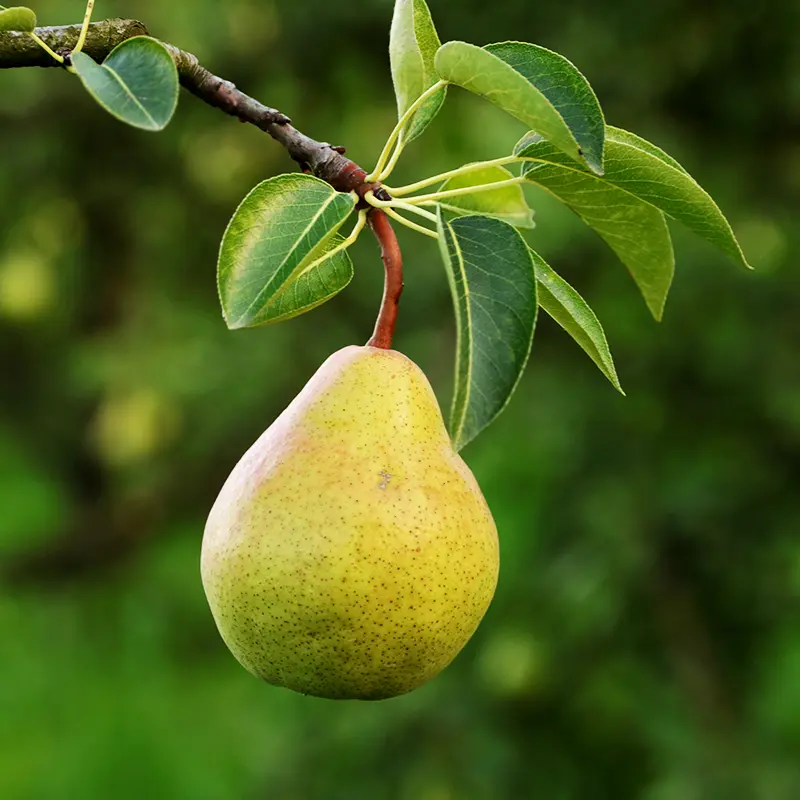
The Bartlett pear, known as the Williams pear in parts of Europe, is the best-selling pear variety in the world. It is a European pear, as opposed to an oriental hybrid or an Asian pear. The fruit is enjoyed both for eating fresh and cooking.
These fruit trees came to the United States from Europe during the 1790’s, when it was grown and sold by a man in Massachusetts named Enoch Bartlett. From that time, the pear bore his name in the United States. Bartlett pears are grown commercially in California and the Pacific Northwest.
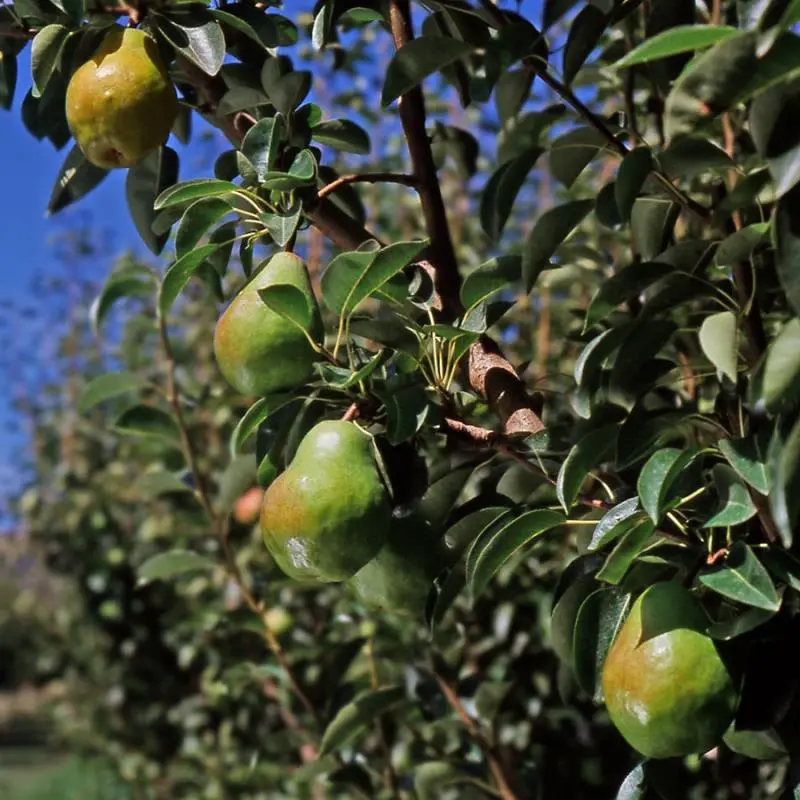
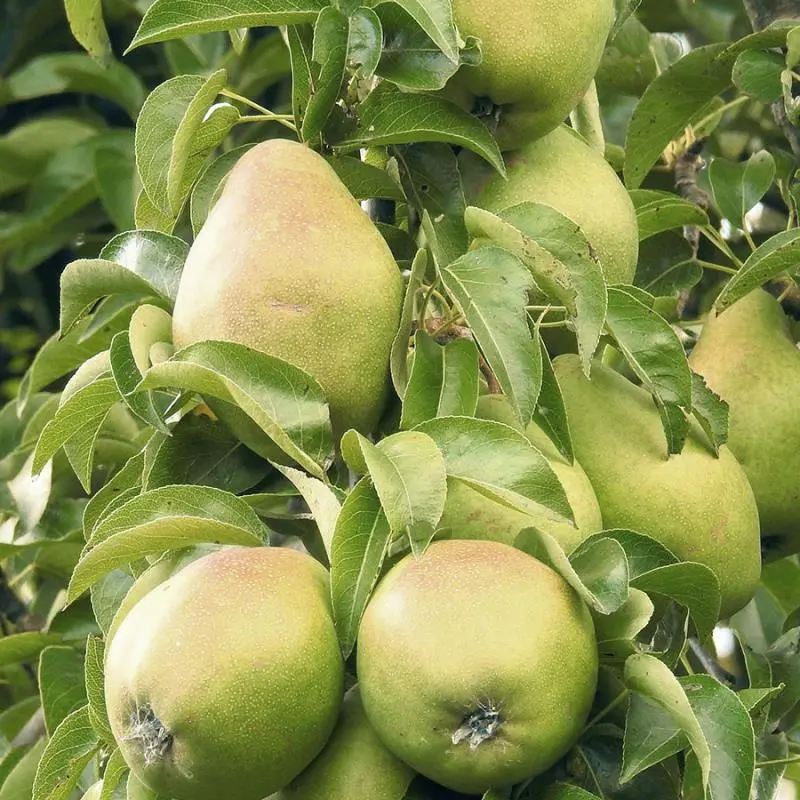
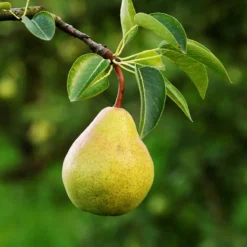
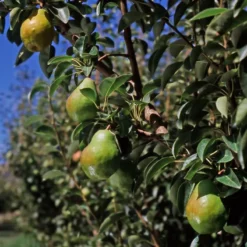
The tree has fluffy, white blossoms that bloom mid to early spring, and it is fast growing. The pears grow green on the tree but ripen to a light golden yellow.
Homesteaders will enjoy preserving an abundance of fruit. These lovely pears can be canned, dehydrated, and frozen. The trees are easy to grow and will start to produce fruit in four to six years.
Using Bartlett Pears
Bartlett pears are favored for their sweet taste and fragrance. They are also lovely to look at, with the classic pear shape, and hints of red behind the deep yellow skin. Pair the fresh fruit with cheese and wine for a tantalizing appetizer or with meats and sausages for a charcuterie.
These pears are also preferred for canning because of the ability of the fruit to hold its shape and retain its sweet flavor. Chefs and home cooks enjoy the firm quality of the pear, using it for baking desserts, such as crisps and pies. It is a valuable addition to savory dishes, including stuffings and roasted meats.
Pears are a good source of fiber and are rich in copper and vitamins C and K.
Growing the Bartlett Pear Tree
Bartlett pear trees require full sun and enough cold weather in the winter to receive 800 chill hours. They require cross pollination. Click here to find great pollinator options. They also need well drained soil. See below for more soil characteristics and USDA hardiness zones.
Buy a Bartlett pear tree to enjoy fresh pears and bake tasty desserts, as well as preserve an abundance of delicious fruit.
Note: Not suitable pollinator for Seckel pear trees.
| Choose an Option | Dwarf, EZ Start®, Dwarf, Bare-root, Supreme Dwarf, Bare-root, Semi-Dwarf, EZ Start®, Supreme Semi-Dwarf, EZ Start®, Supreme Semi-Dwarf, Bare-root, Supreme XL Semi-Dwarf, 9x9x12" Pot, Standard, EZ Start®, Supreme XL Standard, 9x9x12" Pot |
|---|---|
| Bloom Color | White |
| Bloom Time | Early – Mid |
| Chill Hours | 800 |
| Fruit Color | Yellow |
| Fruit Size | Large |
| Ripens/Harvest | Late August |
| Shade/Sun | Full Sun |
| Soil Composition | Loamy |
| Soil Moisture | Well Drained |
| Soil pH Level | 6.0 – 7.0 |
| Taste | Spicy |
| Texture | Smooth, Firm |
| Years to Bear | 4 – 6 |
| Zone Range | 5 – 8 |
Be the first to review “Bartlett Pear”
Related products
Nut Trees
Nut Trees
Almond Trees
Nut Trees
Chestnut Trees
Nut Trees
Berry Plants
Nut Trees
Reviews
There are no reviews yet.